

Fieldwork Safety
Before undertaking a physical visit to Gan Gan Lookout, teachers should complete a risk assessment and provide students with clear safety instructions. Students should remain within designated areas, follow site rules and stay with their supervising adults. Teachers should consider potential hazards including uneven surfaces, elevated areas, weather conditions, sun exposure and interaction with other visitors. The virtual site study provides a safe alternative when a physical visit is not possible.
Observe, Record and Explain
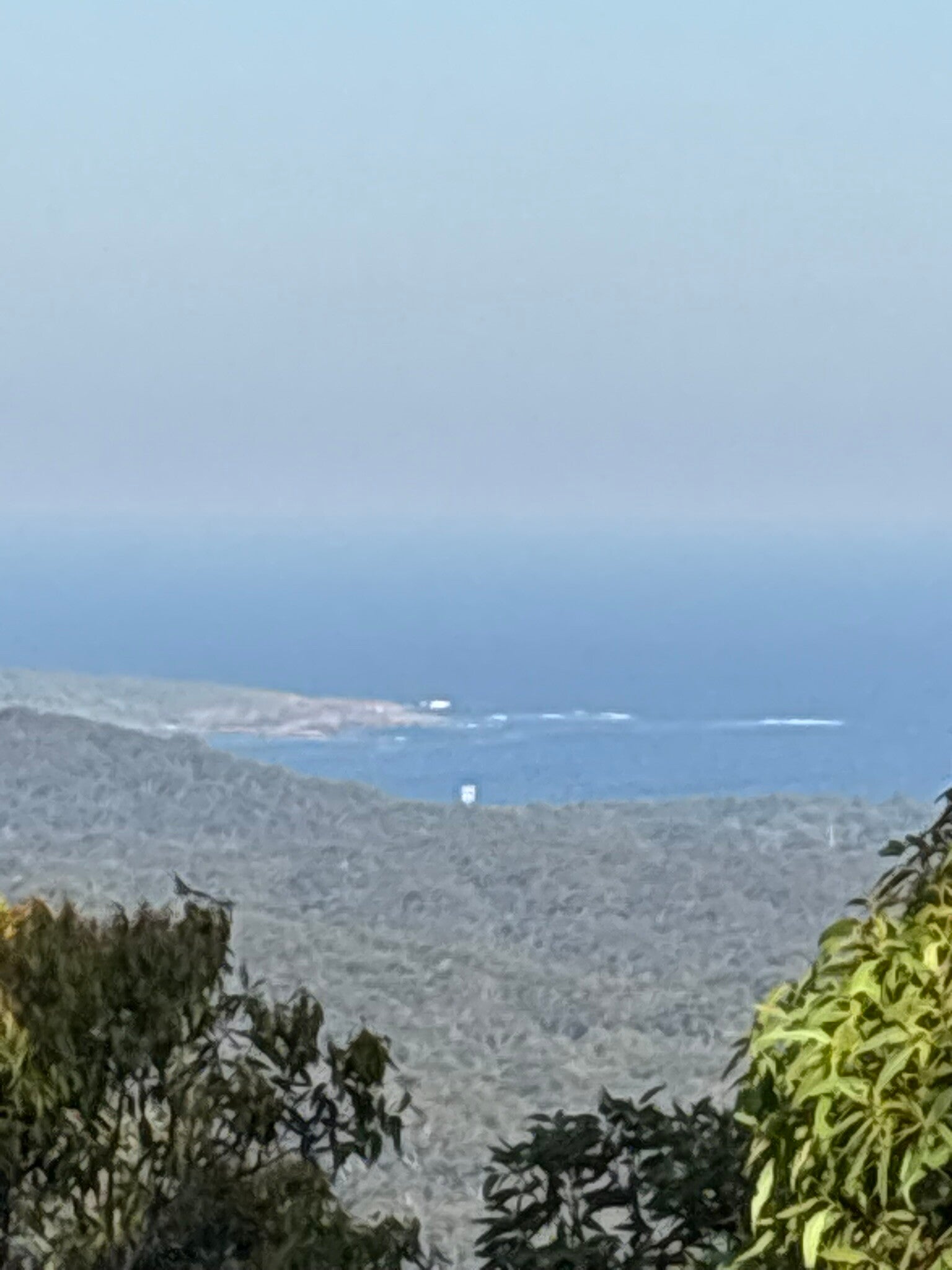
As you explore the Gan Gan Lookout virtual site study, carefully observe the photographs, maps and virtual views. Look for both natural features and human-made features. Record what you notice and explain what each feature tells you about the landscape and how people interact with the environment.
Feature observed. Natural or human-made? What do you notice? What does it tell us about Gan Gan Lookout?
For example: Waterways, Vegetation, Walking paths, Information signs, Lookout facilities, Coastal landscape and Other feature
Inquiry questions
Investigate Gan Gan Lookout by answering the following questions:
- What natural geographical features can you identify?
- How do people use Gan Gan Lookout?
- Why is the natural environment important?
- How can visitors help protect the environment?
- Why might different people value this place in different ways?
Final Challenge
Imagine you are responsible for looking after Gan Gan Lookout. What would you do to protect the environment while allowing people to continue enjoying the site? Explain your ideas using evidence from your virtual fieldwork.
Imagine you are responsible for protecting Gan Gan Lookout and its surrounding environment. Think about how visitors can continue to enjoy the beautiful landscape while also protecting the plants, wildlife and natural features of the area. Develop three actions or rules that could help care for the lookout and explain why each action is important. Use evidence from the photographs, information and virtual fieldwork activities to support your ideas.
Beyond the ordinary
This is where our journey begins. Get to know our business and what we do, and how we're committed to quality and great service. Join us as we grow and succeed together. We're glad you're here to be a part of our story.
Name
Alanna Alameddine
WSU Student ID
22211482